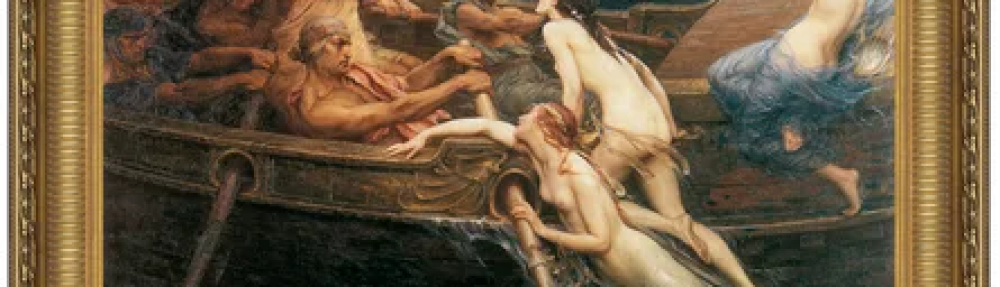
Immediately, I was entranced with this world created by Rivers Solomon, and the way life underwater was described, specifically the sensation and connection Yetu feels within the deep, of which she has to drown out. She describes what it feels like to let her guard down, connecting to her senses, and immediately being overwhelmed:
“Yetu closed her eyes and honed in on the vibrations of the deep, purposefully resensitizing her scaled skin to the onslaught of the circus that is the sea. It was a matter of reconnecting her brain to her body and lowering the shields she’d put in place in her mind to protect herself. As she focused, the world came in. The water grew colder, the pressure more intense, the salt denser. She could parse each granule. Individual crystals of the flaky white mineral scraped against her (2).”
As interesting as having this deep connection to the ocean may be, it seems to take a toll on Yetu. The currents and creatures within the deep, the remembering, these are sensations that seem to be normal to her people, but affect her differently, degrading her proprioception, her sense of self within space. It translates to me as depression that Yetu may be suffering from, and relates this fantastical premise to reality, in which mental health is seriously overlooked when it comes to young people, and in my experience, to young women. I can only speak from experience, but I’ve observed that especially within POC families, who have experienced poverty, abuse, racism, and who have endured, it is difficult to explain mental illness without being guilt-tripped. The same seems to be happening with Yetu, who is so affected to the point of putting herself in dangerous situations, stifled by the lingering grasp of the past: “Yetu did know what it was like. After all, wasn’t cavity just another word for vessel? Her own self had been scooped out when she was a child of fourteen years to make room for ancestors, leaving her empty and wandering and ravenous.(6)”