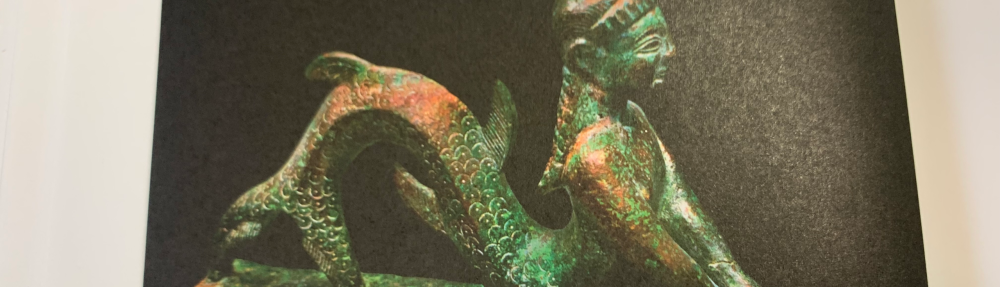
In Chapters 5-7 of The Deep, Rivers Solomon deepens the emotional and cultural significance of memory for the wanjiru, revealing how remembrance functions as both a burden and a necessary act of collective survival. What struck me most in these chapters is Yetu’s growing realization that carrying the pain of the past is not an unfortunate duty, rather that it is the thread that binds identity, ancestry, and community. Her confrontation with the memories shows that history is not passive, it actively presses against the present, shaping how people understand themselves.
These chapters complicate the idea that forgetting is a form a freedom. The wanjiru believe that releasing their trauma to a single historian allows them to live peacefully, but Solomon illustrates how this system fractures Yetu’s sense of self. In absorbing generations of suffering she becomes a living archive, one that is overwhelmed, uncontained, and searching for boundaries. When she finally separates herself from the community, the physical and emotional relief that she experiences exposes the unsustainability of placing an entire history of a people into one body. The compelling shift from silence to shared accountability suggests that healing, whether collective or personal, depends on not erasing the trauma, but confronting it together.