Tate Mcrae represents the alluring and dangerous sound of the siren as love, something captivating in a beautiful way, in her song “Siren sounds” to uphold this ideal about sirenic ability to lure people in; she then utilizes it to describe what is known to be damning and destructive so often becomes elusive and craved. Natural human instinct desires to delve further in regardless of cautionary tales, to be so entranced by and succumb to their treacherous wants because it signifies momentary pleasure.
The song reflects her deeper feelings about one particular love, and how this partner of hers stays alongside her in spite of the danger that they both clearly recognize approaching. Her emotions, and overall argument presented are embedded majorly in the repeating lines of the second half of the chorus: “Might be crazy to stick this out /But we can’t see all the flames around/You and I, and I/We’re just dancin’ to the siren sounds” (Mcrae, 0:43-0:56). Her immediate recognition of their behavior, saying it appears as ridiculous or “crazy” to anyone else, is the first admittance that these actions, to anyone else, are irrational. In really analyzing her word choice though, it becomes quite clear how this view doesn’t seem to impact her, or become completely internalized whatsoever. Specifically claiming that they “might be crazy” carries so much weight in recognizing her argument; there is this underlying sense of the reality, but an overwhelming amount of carelessness as to what is factual, in order to feel the good parts of their love.
This narrative seems to continue with the way she describes their oblivion against everything going on, that they are physically blinded to the torture. Her particular choice in the world around them as on fire places an emphasis on this hot, blazing passion, as a result of its typical usage as a comparison to intense emotion. Its all consuming nature could potentially hurt them both, but they seem to choose the bliss that comes with being ignorant to their situation. The enticement that comes with these situations that could cause injury makes her and her lover choose to keep their eyes blinded to this inferno around them that could collapse their world. Getting so invested in this and pretending it won’t hurt you, like sitting right next to the fire knowing how you may get burned, ingrained itself in human nature because it brings that singular moment of joy. The beauty of love before it falls, the warmth of a fire before it spikes and chars your skin, all fuels this human need to seek what is clearly harmful. If it provides just a moment of excitement, human nature wants to choose to risk it.
She continues to emphasize how much choice really plays a role in this, and how much agency she truly has. Part of the narrative of sirens in day-to-day media, in easy access stories that people find when they do not diligently study to understand sirens, is their entrapment. The men they push into the dark waters to their deaths, or the way sirens are held hostage by their hybridity all perpetuate this idea that no choice is allotted to their lifestyle. Mcrae flips this narrative when she emphasizes herself, a feminine figure, in discussing how they dance. Her repetition, which plays an incredibly crucial role in reiteration and absolution throughout the song, occurs solely on the pronoun that depicts her as a force of her own desire, “And I, and I”. It combines both this idea that sirenic relation does not automatically denote the loss of agency people tend to assume, but also that these subjectively agonizing decisions come from deep within the psyche. It is her and him that decide to dance, that want to stay and be deluded by that burning before them, if it means they bask in each other’s presence for that moment.
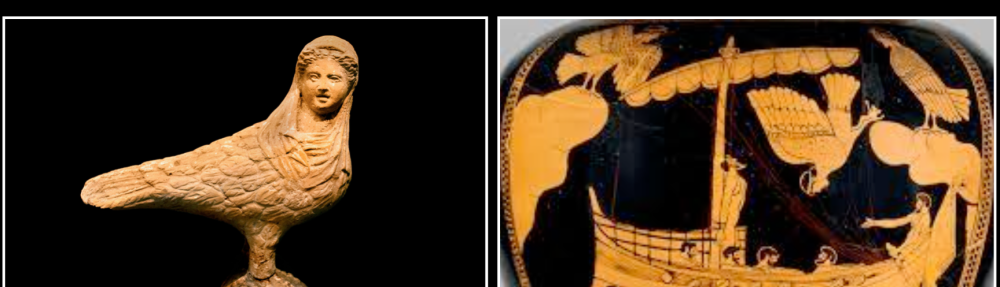
Actual mentions of hybrid aquatic beings don’t appear as a part of her story until the final line of the repetition, where she claims they dance away to its beautiful incantations. The “siren sounds” refers to the commonly mentioned tale within myths, where the sirens utilize beautiful voices to the point of hypnosis to draw men in for a multitude of reasons. In her case, it metaphorically refers to the way love feels so encapsulating, so all encompassing that people become mesmerized by it. It is to the point that they become blinded to everything negative about it, the same way these sirens depended on men to be so entranced by them, they forgot what they knew to be true about their malicious intentions. She emphasizes though, that they are not simply put to sleep by it; they forge their own path once again to flourish and enjoy themselves in it, because they deny that the destruction could ever catch up to their excitement. While their delusion creates the imagery that their love is without fault, it is their agency that allows them to forge it as something they enjoy, because of this inner desire to keep after this uncertainty.
The entire message she conveys, the way humanity desires that which damns us for brief enjoyment, the idea that people choose these things of their own free will, that every rational thought would go directly against this kind of action, is represented quite holistically when it comes to Odysseus and the sirens he encounters during his journey. Within The Odyssey, the warning of sirens he will inevitably face from Athena mimics this idea of how Mcrae’s character becomes cognizant of the insanity in their relationship through other’s weariness. Odysseus eventually makes this choice to allow his men to cover their ears, but tie him to the mast for him to gain the knowledge that the sirens are known to spread. It originates this idea of human need to go after what is infamous, as he and Mcrae both make this choice, reiterating their “And I” or guaranteeing his men will not remove him. They crave so desperately to chase their ultimate desires, regardless of its volatile reputation. In both cases, there is that allure of some grand objective, her love and him knowledge, that becomes enough to overpower their rational thought. They take major risks, despite understanding how it can inevitably scorn them, because their human naivete believes this fleeting fulfillment is worth it.
Siren nature, their sounds and their stories, ultimately demonstrate this sovereignty that they have, and how it eventually became a reflection of human decision. Despite the understanding of how some pieces of life inherently cause damage, people still seek them. Tate Mcrae’s song “Siren sounds” utilizes how the power of being the deciding factor in one’s life allows them to do whatever they desire, regardless of peril. Experiencing even just a second of satisfaction is enough motivation to throw their caution to the sea.