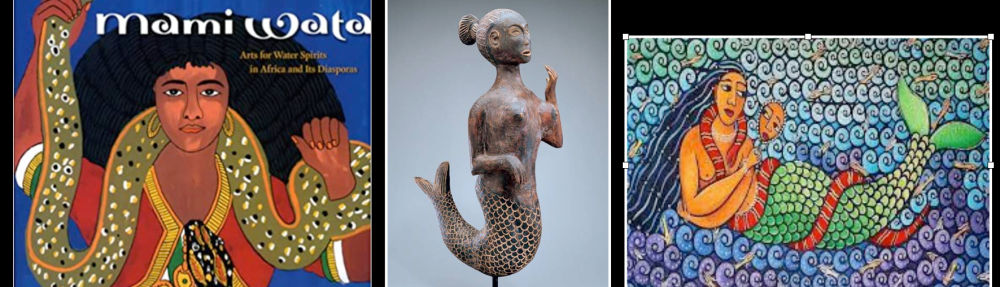
After reading the “Legend of Melusina,” I couldn’t help but notice the irony within the story. The idea of husbands betraying or deceiving their wives is very interesting to me because of the notion that they lied first. I get the “conditions” that were in place for them to need a husband to agree to these terms, but it is still ironic. The lying and the deceptions go both ways, as well as the fear behind it all. Both husbands fear losing their wives, but “curiosity killed the cat” is a saying for a reason. The control these women have over the men by getting them to agree to these terms reminds me of why the sirens got the representation they have. Using the weakness of man against them, the lust they are born with, and the fear of ending up alone, which almost every person has.
I liked how the story mentioned, “but destiny, that would have Melusina single, was incensed against her” (85), because it reminded me that Melusina was cursed from the start. The idea that her mother punished Melusina for her “revenge” seeking actions makes me giggle a little. Melusina is gaining a fear of being alone, like the husbands. The world against her love, forever being punished for the revenge she took. I like to think that Melusina is the model for karma. Ran by revenge, only to be forever cursed to be alone, watching over her family. One small deed caused a lifetime of pain, which I feel is spot on for a siren. It almost mirrors everything that sirens are depicted as being: untrustworthy, and deceiving.
I loved reading this story, and it was a very eye-opening story of how sirens came to be. Everyone sees sirens as terrifying creatures, but what if they are this way because of how they’ve been treated? Humans have been untrustworthy and deceitful since the dawn of time. No surprise if the sirens “put up a guard” and were “cursed” for their revenge-seeking thoughts or actions.
Song of the Week: Echo of the Past by Jonathan Geer