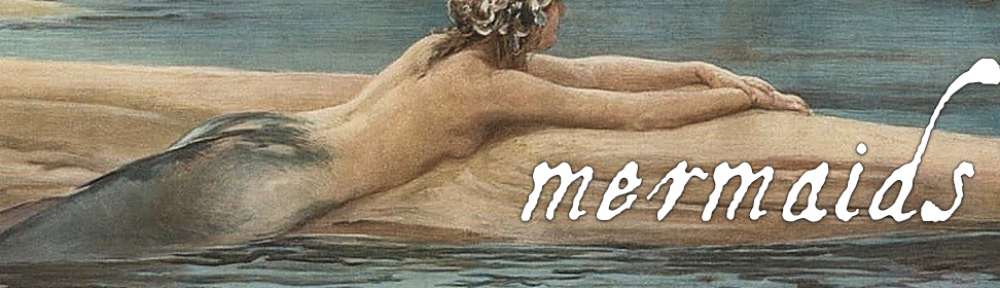
In the excerpt we read this week from the odyssey, we are introduced to the story of Odysseus and his interactions with Greek sirens. In this particular version, sirens are represented to be creatures of knowledge and fulfillment. The threat of the song – contrasting with what we are usually predisposed to think of when we think of sirens – conveys the sirens as being enlightened ones, willing to share their wisdom with those courageous enough to fall into their trap. In grecian mythology, the seduction of human kind, opposed to a sexual attraction, is that in which humans gain wisdom beyond that of human conceptions. The mind would be allowed to expand beyond the present forces of earth, gaining wisdom transcending possible universes.
In the traditional English church, sirens and mermaids are presented to be sexual beings, intent to lure men in with sinful and lustful promises, eager to create sin and treachery. The use of mermaids and sirens meant to reflect women as immoral creatures, the cause of men to fail in their religion and faithhood. The church created such emphasis that men must abstain from fraternizing with women, in hopes of curbing their lewd fantasies leading to a state of unrighteousness.
This comparison between how Sirens were transcribed and developed across different narratives was very stark and intrigued me into further thought. Why in Grecian culture was the thought of knowledge women a threat versus sexualized femininity. In a way, both can be interpreted to mean that a woman in a higher state of power over men would be detrimental to society and manhood. In other ways, we wonder why there was more emphasis on purity inside the church culture compared to that in Greek culture. In my own opinion, I see the English church finding the idea of women being knowledgeable a laughable idea, only being creatures designed to hinder the teachings of the divinity.
In both backgrounds of storytelling, they become objectified, only to be seen as a hindrance to a man’s success. They are obstacles, attempting to gain unrightful power over a “higher” being – a male. These stories are a direct reflection of these time periods, a place where women did not have an identity outside of her husband, no place to be within her femininity or obtain her own knowledge. Why then is a story such as The Odyssey conceived with such reverie? Why do we continue to idolize works in which a man’s victory is his conquest to outwit a womanly being?