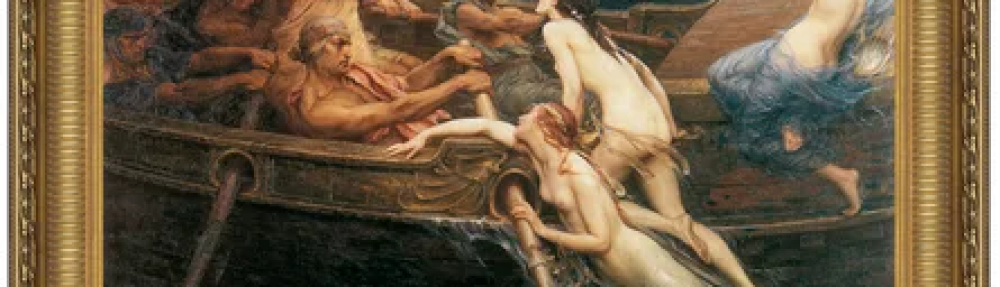
In his first chapter of Merpeople: A Human History Scribner recounts the extensive imagery of merpeople utilized by the church to gain pagan followers while it “hoped to distance itself from the sacred feminine of the pagan past.” (para. 9) The mermaid was contrived to control the narrative of female sin. In medieval times, this era of monsters, why does the Church use merpeople, specifically mermaids, to convert pagan followers and scandalize femininity? Why not dragons, giants, ogres, or unicorns among others? In this class we have established a human fascination with hybridity, and in it an ability to reflect ourselves. Therefore, this representation of sin had to contain a human element. But why not other hybrids, such as harpies? In fact, the church purposefully went out of its way to omit harpies and depict sirens as half-woman half-fish instead as Scribner indicates in paragraph 14: “Homer’s Odyssey alluded to sirens as bird-like creatures. Christian artists diverged from the original descriptions because they no longer needed a hideous siren”. Sirens or harpies, these bird women, no matter how monstrously depicted, would be too easily interpreted as ascending to heaven. In its use of mermaids, the church is able portray beautiful women exuding lust and sin. Because their environment is beneath us, because these beings technically exist below earth, they are essentially only one step away from hell. The mermaid’s environment diminishes any chance of misinterpretation of the church’s warning.
In addition, merpeople are humanity’s attempt to control an environment that is not our own. Christianity aims to be the shepherd of this planet, yet we have only dipped a toe into the oceanic expanse that covers nearly ¾ of it. By worshipping Oannes or Ea, Neptune or Poseidon, pagan religion forges a connection with the sea. And therefore, constructs a command of the deep. Christianity is expanding on this connection, and the human governance of the entirety of Earth, by insinuating the existence of merpeople.
Lastly, I am wondering where modern mermaid stories and culture would be if the church never represented mermaids as prevalently as they did. Would we have grown up watching The Little Mermaid? Would ‘mermaiding’ be a thing? Would we even be taking this class?