Dion Jones
Prof J. Pressman
ECL 305; Literature and the Environment
3 November 2025
Seeing, Hearing
This weekend’s texts “The Water Will Carry Us Home” (TWWCUH) and “Sirenomelia” utilize audio and visual storytelling in order to engage with a blue world.
TWWCUH utilizes Afrofuturistic elements, as well as traditional African spiritual beliefs in its framing of water. Both aspects reach across space-time to connect them to the Igbo—and others—who chose to drown and those who were forced offboard who would otherwise be further trafficked in the Transatlantic Slave Trade. It depicts the forces—wind and water—that allowed the escape to take place as divine figures—as figures with agency. The formatting of the film includes both stop motion media—presumably physically crafted art—and live action depictions of the unnamed character. In effect, TWCCUH acknowledges the history of water as a path, water as imagination, and water as the future/a connective constant.
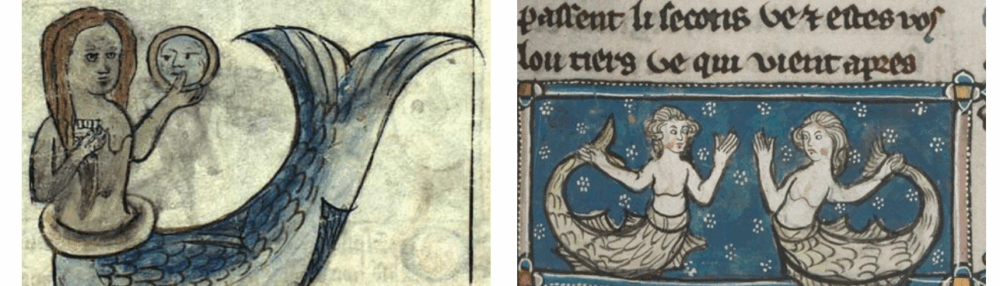
“Sirenomelia” depicts liquid and solid water and the biological, crafted, and formed structures along them. The diegetic sound establishes and conflicts with a sense of isolation and absence. The only visible non-plant life to appear is that of a mermaid who traverses the seemingly abandoned artificial features and structures—which imply the search or use of some resource or foe. The mermaid is a figure that points at that which is not there or is no longer there and compares it to whatever is leftover. The mark of the U.S.-USSR Cold War persists despite the collapse of one of the adversaries. Further, it argues for the continued existence of water despite what comes, goes, or corrupts.