In the reading of Melusine, one moment that really stuck out to me was the scene where it exposed not only a secret about the Melusine’s body, but also a deep anxiety about women’s autonomy in medieval romance (pp.13-18). Raymondin’s decision to spy on her as she bathed was framed as immoral but also as an act of control as he had been told to not disturb her on Saturdays yet his feelings of suspicion caused by gossip pushed him to violate this vital boundary.
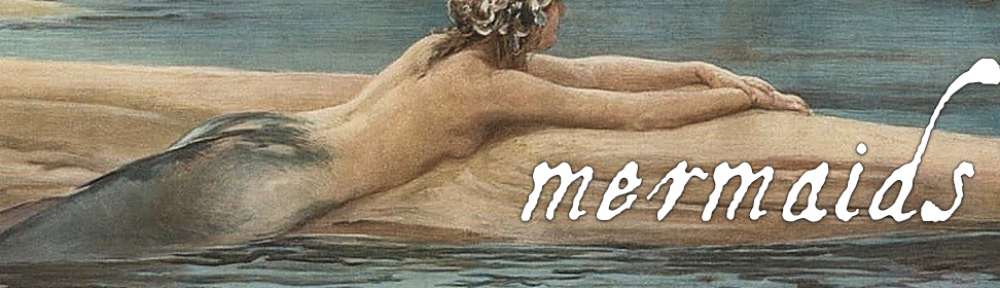
What he finds behind the door is described with a lush ambivalence: “[Melusine]…more pale than usual, pearled almost to transparency, combs her hair beside a pool while a ‘great serpent tail’ gleams in the water.” Here, her hybrid form shows the contrast between the wife and monster where she embodies a possibility for women’s agency beyond a fixed role. One of power and secrecy. Yet Raymondin turns this liminality into a threat by forcing her secret out into the open, where he transforms her into a mere spectacle, something to be ridiculed and judged.
Melusine’s response makes it clear that she forgives her husband but insists that his mistrust had “broken the promise made” and condemned her to wander until Judgment Day. This exemplifies the precariousness of female power where she could only exist as a wife only as long as her husband respected the terms and once they were broken, she was stripped of the social position marriage gave her and was reduced to a mythic curiosity. She then soars away as a winged serpent as a refusal to remain under a punitive gaze.
Melusine showcases the familiar gender script where the woman attempts to carve out a private space to retain some selfhood only for the man to betray that trust and violates that privacy out of a perceived betrayal. The romance portrays her departure as one of tragedy but also one of her attempting to retain some dignity. The author underscores the cost of patriarchal curiosity where it not only destroys trust, but also drives powerful women out of the domestic sphere