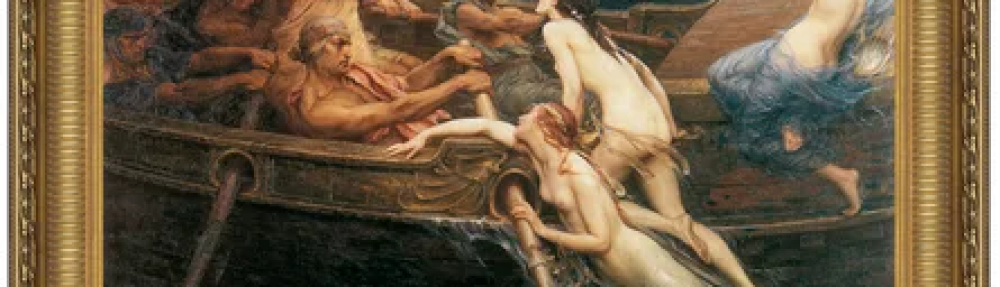
Solomon brings readers insight into the abandonment of responsibility seen in the Modern human race. Yetu, the historian of her kind, granted the ability to withhold all memories of their oceanic ancestry, highlights the key factor of carrying this burden all alone. She states “I carry the burden of remembering so you don’t have to.” “So you don’t have to” is Solomon speaking directly to modern human readers in regards to their dismissal of the Oceanic history of water, current, and life, and instead, allowing others to push for it remembrance in a way unaffecting our own lives. Modern humans have moved away from our ancestry held within the deep Ocean waters. We have distanced ourselves from our history, and instead, see others passing on the knowledge as enough of a voice to represent us all.
Oceanic language and history has become “otherworldly” knowledge. Something everyday members of society have little need to know about. In modern human minds, our majority lack of understanding cannot possibly cause negative damage towards the Oceans identity. Yet, when we see something as not our problem, it leads to being the cause of someone else’s.
Humans in the western hemisphere are so easy to dismiss Oceanic history and origins. Myths and legends are just that. A tale, not a biography. Western humans do not see the need to remember Oceanic history as we have so far distanced ourselves from our ancestry, we care little for our relationship with our home (Ocean) and its future descendants. We place that need of remembrance on those we deem as “inferior.” Those whose lives have less meaning can be responsible for caring for something “like the Ocean.”
Yetu’s struggle to maintain balance as the historian, alone in her protecting history and her ancestors, tells Modern Humans the danger of ignoring our history and allowing it to be the focal point of someone else’s cause. Why should we abandon our Oceanic history and allow someone else to carry our identity? Yet Yetu believes her community doesn’t care if she’s the only one who has to remember, Western humans have little regard if their “inferiors” are in charge of caring for something as “non – human related” as the ocean.
Interesting! Are you arguing that the mermaids history is operating to illuminate the terra-centric modes of history of humans? In other words, are you placing this novel in relationship to Walcott’s poem?