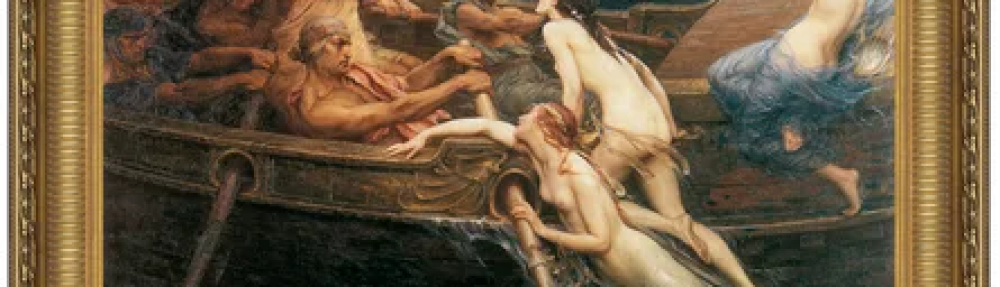
This weekend’s readings of “Undine” and “The Feejee Mermaid Hoax” from The Penguin Book of Mermaids stand out and provide connecting ideas for “Freakshows and Fantasies”. I find “Undine” the most interesting due to the elemental nature of Undine and their kin as well as its depiction of merfolk/water spirits.
Undine describes itself and their kin as beings who appear human and consider themselves human while having the ability to control different natural phenomena—at the downside of temporary existences of little consequence—lacking souls, and leaving now corpses when they die. This explanation of these beings seem to function with Christian cosmology, metaphysics, and potentially racial/cross cultural thinking in mind. I can see parallels between how Europeans and their descendants may have seen other groups of people, non-human life, and the environments they encountered during the ages of reason and discovery. Undine is essentially “subhuman” despite their great talents in much the same way that African, Asian, Indigenous American and Islander groups have been considered amidst the colonial periods.
Both “The Feejee Mermaid Hoax” and “Freakshows and Fantasies” highlight skepticism, hoaxes, and changes in the public’s perception of merfolk/their place in the world rather than fully commit these ideas to observations that stand on their own. When considering both stories with “Undine”, we can consider mermaids/water spirits to be fleeting but powerful existences which exist under entirely different rules. Spirits that are provided souls by humans become fully human down to the corpse and eternal soul, whereas the forms left by hoaxes represent the not-quite-human forms merfolk were often considered to possess—especially when without their souls.
Such interesting ideas here, they’re starting to congeal. I would certainly be interested in hearing you continue to explore the connections between these thoughts, pushing the connections to form a single argument. What is the connection between the fluid, ephemeral, spirit, and soul? And how does that connection serve Christian cosmology in the story? And why does the story focus here: is it supporting or critiquing or both Christian religion? This is very good work.