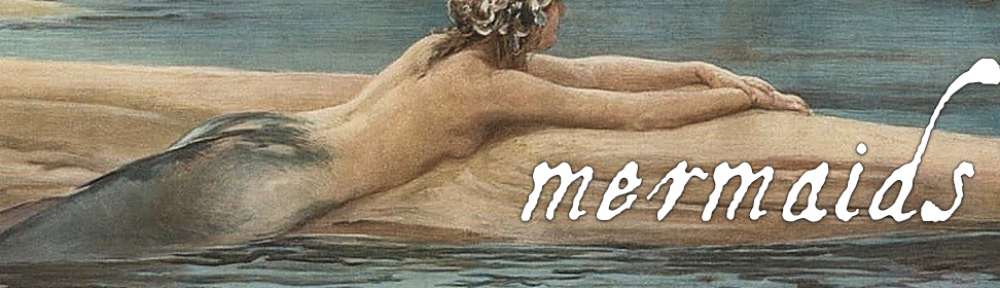
In the chapter “The Story of Melusine” from The Penguin Book of Mermaids, the tale of Melusine offers a compelling mix of myth, mystery, and morality. Melusine, a half-fairy or mermaid-like woman, marries a mortal man, Raymondin, under one key condition: he must never see her on Saturdays. When he breaks this promise and spies on her, discovering her true form, he violates the sacred trust between them. As a result, Melusine is forced to leave him, emphasizing themes of secrecy, trust, and the consequences of betrayal. The moral of Melusine’s story centers on the sanctity of boundaries and the vital role that trust plays in relationships. Melusine, though magical and different, is loyal and loving as long as Raymondin respects her request. His inability to honor this promise not only breaks their bond but ultimately leads to his downfall. This tale reminds us that love is not about complete possession or control over another person, but about mutual respect and acceptance—even of the unknown or unexplained.
In our own lives, the story encourages us to reflect on how we handle trust and personal boundaries. Whether in romantic, familial, or platonic relationships, honoring each other’s privacy and respecting personal space is essential. We often feel compelled to uncover every truth, but sometimes, faith in the other person’s integrity matters more than knowing everything.
Melusine’s story also speaks to the idea that people are more than what we see on the surface. Her dual nature is symbolic of the complexity within all individuals. By judging others solely on visible traits—or by forcing them to expose parts of themselves they wish to keep private—we risk losing something beautiful.Ultimately, Melusine’s tale teaches us that love without trust is fragile—and that true connection requires acceptance, not control.
Hi Aidan,
I appreciate your takeaways from Melusine’s story and how human nature is complex and isn’t what it seems from a glance. But, also to nurture and cultivate a healthy relationship is tricky because humans want control of things that seem beyond their grasp and that is the autonomy of one another.
Hello Aidan, your takeaway on the story being about boundaries and the need for respect within relationships are a really interesting take compared to how we in daily life look at these situations. Looking at her objectively, people typically associate the blame with her, or in more relative terms to the one secret keeping, for hiding information in a relationship when vulnerability should be holistic; however, there is a major portion in him, as seen by your stance. Had he given her the space to eventually be truthful about this,, and relinquish control over the fact that he cannot have totality of her life without her choosing that, they potentially could have saved this relationship, the way many people could by recognizing their partner’s individuality.
Hi Aidan! I appreciated this analysis of Melusine and Raymond’s marrige, and the possible messages conveyed through the story. I especially like the way you said: “This tale reminds us that love is not about complete possession or control over another person, but about mutual respect and acceptance.”
The idea that even in medieval times and in such a strong patriarchical cultures, a story would convey the importance of a womans privacy and respect. Of course, she is also considered to be a woman of fae origins, and high status as the lady of the manor. This suggests that women could hold positions of power, and be respected by not only their husbnands, but by their people. Her memory and story is deeply entrenched in the remains of the castle, and her influence remains to this day. Her leaving Raymond after his betrayal is her way of reminding him of his lack of posession of her, one that was only allowed in so far as he respected her as she respected him.
Your peers are right: great focus on boundaries! Now, locate these insights in the text, ground them in quotes and close read…. show us where and how you develop these smart ideas!